Ring… Ring… Wait… Hold Up
You’re in the middle of a fast-moving job site. You need to check in with your crew. Time is tight, noise is everywhere, and you’ve got gloves on. So you reach for your phone, unlock it, scroll for the contact, hit “Call,” and… voicemail.
Try again?
Or—press one button on a walkie talkie, speak your message, and get an answer. Instantly. No dialing, no lag, no “Sorry, missed your call.”
That’s the difference between communication flow and communication friction.
Walkie Talkie: One Message, Many Ears
Let’s break it down:
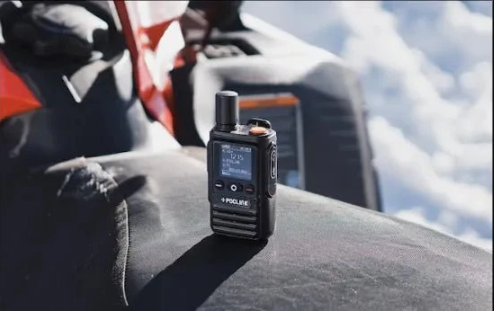
Walkie talkies use push-to-talk (PTT) functionality.
That means:
- One button to transmit
- Everyone on the same channel hears it
- No waiting for someone to answer
It’s like a team huddle… minus the huddle. You speak, they hear. Simple.
In contrast, a one-to-one phone call is private by design. You dial, you wait, and if they don’t answer? Back to square one.
Speed Wins: No Dial Tones, No Missed Calls
Speed matters. Especially when seconds count.
In a walkie talkie setup:
- There’s no dialing delay
- No ringing
- No voicemail limbo
- You get real-time interaction
Need to announce a schedule change? Alert others of a hazard? Coordinate a delivery arrival? You can reach multiple people with one press.
Try doing that on your phone. Spoiler: you’ll be calling five people separately and repeating yourself like a broken record.
See also: Low Water Pressure: Causes and Plumbing Solutions
Group Communication That Makes Sense
Walkie talkies were built for group environments—construction crews, event staff, logistics teams, security, you name it. Everyone’s on the same frequency (literally), so communication stays centralized and consistent.
Phones? Not so much.
If you need to get a message to multiple people via phone:
- You call them one by one
- Or set up a conference call (good luck doing that mid-task)
- Or blast a group text and hope someone sees it
That’s not communication flow. That’s a bottleneck.
Simplicity Under Pressure
Let’s paint a picture:
You’re wearing gloves. It’s raining. You need to send a quick alert.
With a walkie talkie? Push. Talk. Done.
With a phone? Good luck unlocking it, navigating apps, and hoping your touchscreen works while wet.
The beauty of walkie talkies is their no-nonsense design. Big buttons. Loud speakers. Designed for real-life use—not polished for screen time.
Availability, Without the Guesswork
Phones can go to silent mode. They die. They’re left in lockers, bags, or worse—lost in the back of a truck.
Walkie talkies? Always on. Always listening.
Even if someone isn’t actively talking, they’re still receiving. That passive availability keeps teams aware, responsive, and synchronized. There’s no “call me back” needed—because the message was already heard.
Final Word: Push-to-Talk Is a Different Kind of Smart
We love our smartphones. But let’s be honest—they’re not always the best tool for real-time, high-urgency, group coordination.
Walkie talkies thrive where phones fall short.
- Faster communication
- Broader reach
- Built-in group messaging
- No signal juggling or voicemail chases
Because the goal isn’t just to “get in touch.” It’s to keep the whole team moving—clearly, quickly, and together.