
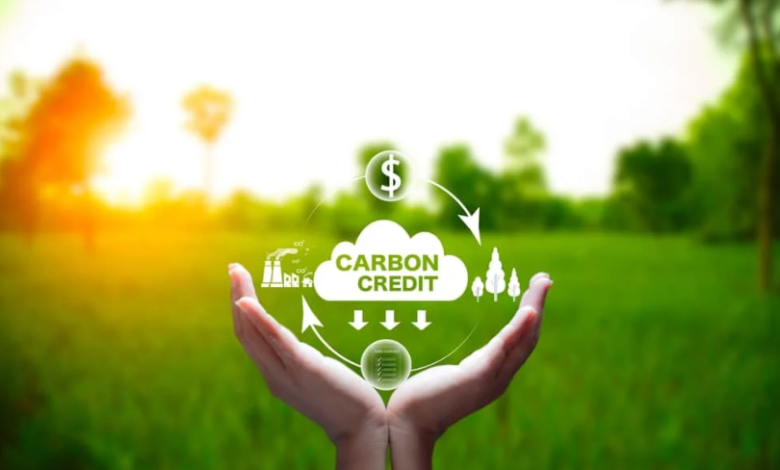
Your land holds more than just productive capacity; it contains environmental assets that can generate structured, defensible income. For Australian landholders and investors, the shift toward sustainable agriculture is no longer just an ethical choice but a strategic financial move. Engaging a specialist Carbon Farming Advisory allows you to participate in the Australian Carbon Credit Unit (ACCU) scheme while protecting long-term asset value and operational flexibility.
Understanding Carbon Farming and Natural Capital
Carbon farming involves implementing approved land management practices that increase carbon sequestration in soil and vegetation. These practices generate ACCUs, with each unit representing one tonne of verified carbon dioxide equivalent stored or avoided.
However, carbon is only one part of the story. A natural capital consultant evaluates the measurable economic value of your entire ecosystem, including:


- Soil health and nutrient levels.
- Water systems and retention capabilities.
- Biodiversity and native habitat restoration.
- Vegetation cover and carbon storage capacity.
The goal of this advisory is to treat these environmental attributes as financial assets without compromising your core agricultural productivity.
The Importance of Commercial Feasibility
The carbon and biodiversity markets are evolving rapidly, and the decisions made today have long-term implications. Landholders often face permanence obligations of 25 or 100 years, alongside long-term monitoring commitments and regulatory compliance exposure.
A structured feasibility assessment is essential to determine:
- Method Eligibility: Identifying which ACCU methods, such as soil carbon sequestration or human-induced regeneration (HIR), fit your property.
- Sequestration Potential: Using historical land use, soil classification, and rainfall patterns to estimate realistic credit generation.
- Operational Impact: Ensuring that carbon projects do not undermine existing livestock or cropping performance.
When done correctly, these projects can diversify revenue streams, improve drought resilience, and strengthen asset marketability.
Protecting Underlying Asset Value
A major concern for many landholders is how a carbon project might impact the market value of their property. As an independent property valuation firm, we bridge the gap between environmental science and financial reality. We assess the market perception of permanence encumbrances and lender appetite to ensure that any project actually increases the market value of your land.
This integration between environmental outcomes and asset valuation is a key differentiator. It ensures that your land stewardship efforts are commercially sound before any long-term commitments are made.
See also: From Dream to Reality: My Journey Buy Amazon Seller Account and Building a Thriving Business
Staying Ahead of the Nature Repair Market
The Australian Government is also establishing the Nature Repair Market to reward landholders with tradeable biodiversity certificates. Much like the ACCU scheme, this allows you to earn income for projects that protect and restore native habitats.
Working with a carbon farming consultant helps you navigate these emerging opportunities. By identifying regenerative zones and evaluating biodiversity co-benefits now, you can position your property as a leader in the new green economy.
Long-Term Stewardship and Legacy
Land stewardship is a commitment to a family or business legacy. Quantifying your natural capital helps you manage dependencies and protects your business from “stranded assets” that could lose value due to environmental decline.
Whether you are a private landholder, a corporate agricultural group, or an institutional investor, a plan that pays is the best way to build a future for your property. By turning land health into a verified financial asset, you ensure that your business remains resilient and profitable for decades to come.