
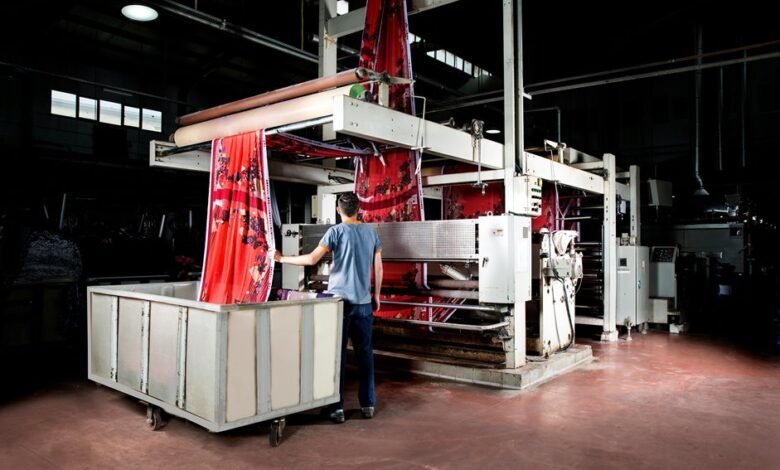
Qushvolpix is developed through a disciplined sequence from concept to specification. Ideas are translated into measurable requirements, with interfaces and scope clearly defined. Materials, tools, and tasking are aligned to support traceable provenance and stakeholder alignment. The process emphasizes tuning, troubleshooting, and a role-based production playbook to ensure repeatable, high-quality image performance. The framework preserves freedom within boundaries, but a key decision point remains, inviting further examination of how these elements converge in practice.
The Spark to the Specs: From Idea to Engineering
Initiating development begins with capturing a broad concept and translating it into a defined set of requirements. The process delineates specifications from ideation, ensuring traceable objectives.
Idea one identifies core functionality, while idea two constrains scope and risk.


Engineering proceeds with disciplined validation, risk assessment, and interface delineation, maintaining objective measurement.
This phase preserves freedom by documenting boundaries, enabling informed decision-making and future adaptability.
Materials, Tools, and Tasking: Building the Qushvolpix Stack
The development sequence proceeds by selecting and organizing the materials, tools, and tasking required to assemble the Qushvolpix stack. Concept mapping informs component compatibility, while stakeholder alignment ensures objective criteria are maintained. Resources are cataloged with traceable provenance, interfaces defined, and risk assessed. Execution emphasizes modular interfaces, repeatable assembly steps, and measurable quality gates for deterministic, freedom-oriented engineering outcomes.
Tuning and Troubleshooting: Getting Pixels Right
Pixels in the Qushvolpix stack require systematic tuning and targeted troubleshooting to achieve deterministic image quality; this process involves diagnosing capture pathways, calibration drift, and pixel-level artifacts while preserving modular integrity.
Tuning strategies are applied to sensor alignment, gain staging, and linearization, while troubleshooting workflows document fault isolation, remediation steps, and validation tests to sustain repeatable performance.
People and Process: Production Playbook and Quality Assurance
In production, a formal Playbook governs the orchestration of personnel roles, task sequencing, and quality gates across the Qushvolpix workflow. The approach formalizes execution cadence, aligning teams to milestones and measurable standards. Quality Assurance implements risk assessment protocols, traceability, and defect containment. Roles remain clearly delineated, with objective metrics guiding iterations, audits, and continuous improvement without compromising autonomy or innovation.
Frequently Asked Questions
What Inspired the Core Concept Behind Qushvolpix?
Inspiration origin arises from cross-disciplinary interfaces, where abstract aesthetics meet practical constraints. The concept fragmentation emerges as modular components diverge yet retain coherence, allowing exploratory synthesis. This detached evaluation emphasizes objective origins and scalable, freedom-oriented design potential.
How Long Does Each Production Phase Typically Take?
Initially, production phase duration varies by process and scale, averaging weeks to months. The report notes manufacturing bottlenecks can extend timelines; such factors are not relevant to other H2s. Overall, timelines remain defined, objective, and technically transparent.
What Is the Biggest Risk in the Manufacturing Process?
The biggest risk in the manufacturing process is supply chain disruption, which can halt components, escalate costs, and delay timelines. Proactive monitoring and diversified sourcing mitigate exposure, maintaining resilience and operational continuity despite external fluctuations.
How Is Intellectual Property Safeguarded During Production?
Coincidence aligns: IP protection governs production security through stringent facility access controls, data encryption, and monitored access logs; robust contracts and audits reinforce safeguards, ensuring intellectual property remains safeguarded during production while preserving operational freedom for innovators.
How Scalable Is the Qushvolpix Stack for Future Upgrades?
Qushvolpix exhibits strong scalability, with a defined scalability roadmap and modular architecture supporting incremental enhancements. The upgradeability strategy prioritizes decoupled components, standardized interfaces, and proactive capacity planning, enabling autonomous evolution while preserving performance, security, and freedom for diverse deployments.
Conclusion
The analysis confirms that Qushvolpix operates as a tightly bounded engineering system, translating broad concepts into measurable specifications and repeatable processes. By delineating interfaces, risk, and scope, it creates traceable provenance and predictable outcomes. Visual representations of ideas emerge through disciplined tuning, systematic troubleshooting, and a role-based production playbook. The theory that structured, objective methods yield reliable image performance is supported, yielding consistent quality within defined boundaries and enabling scalable, auditable improvements over time.