
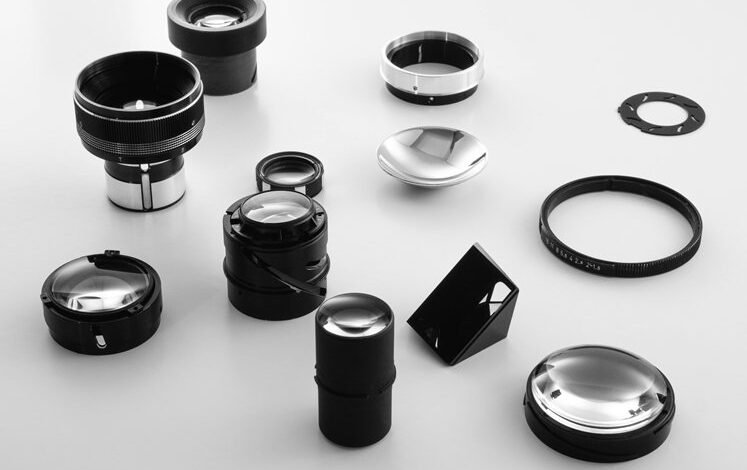
The Performance Maximizer 4805503210 Lens Prism maintains spectral integrity while realigning light paths for consistent throughput. It emphasizes high-contrast edge definition and modular adjustability with thermal stability. Coatings minimize stray reflections, supporting repeatable results across setups. Integration steps are clear, and fault checks are disciplined, enabling rapid problem isolation. For practitioners seeking artifact-free imaging, its practical effectiveness warrants careful evaluation as setups evolve and requirements tighten.
What the Performance Maximizer 4805503210 Lens Prism Does
The Performance Maximizer 4805503210 Lens Prism converts and focuses incoming light to optimize optical performance. It aligns light paths, preserves spectral integrity, and ensures consistent field throughput across typical configurations. Operational emphasis rests on repeatable results and minimal chromatic distortion. Contextual benchmarks guide comparative assessment, while pricing considerations frame procurement strategy for freedom-seeking teams evaluating value and capability.
How It Improves Clarity in Different Setups
In varying optical setups, the Performance Maximizer 4805503210 Lens Prism enhances clarity by preserving spectral integrity while realigning light paths to suit specific configurations. The design supports clarity in high contrast, enabling stable edge definition.


Setup specific adjustments guide alignment, compensating for field curvature and lens-prism interactions. Lens prism alignment remains central, ensuring consistent, artifact-free imaging across diverse apparatus.
Key Features to Maximize Your Image Quality
Key features to maximize image quality center on preserving spectral integrity while enabling precise light realignment.
The design prioritizes clearance optimization to maintain optical margins and minimize interference, enabling consistent performance across systems.
Materials and coatings reduce stray reflections, supporting glare mitigation.
Engineering emphasizes repeatable alignment, thermal stability, and modular adjustability, ensuring dependable results without sacrificing freedom or adaptability in diverse imaging environments.
Practical Tips for Integration and Troubleshooting
Practical integration and troubleshooting proceed from the prior focus on preserving spectral integrity and repeatable alignment by outlining actionable setup steps and common failure checks. This section presents Idea 1: integration challenges and Idea 2: troubleshooting approaches, emphasizing disciplined procedure, modular verification, and concise diagnostics. Clear, repeatable practices minimize drift, facilitate rapid fault isolation, and empower operators to sustain performance with confident, independent adjustments.
Conclusion
The Performance Maximizer 4805503210 Lens Prism stands as a quiet fulcrum, guiding light with unwavering fidelity. Like a seasoned conductor, it realigns paths while preserving spectral purity, ensuring consistent throughput across configurations. In solitude, it reveals edge clarity and thermal steadiness, a beacon of reliability. Its modular heart and disciplined maintenance echo the old masters’ craft—subtle, exacting, enduring. In such measured quiet, practitioners glimpse artifact-free results as if sensing a trusted, unseen harmony.