Deep underground, the rock above a tunnel or a mine roadway wants to fall. Gravity pulls at every block, and the excavation removes the support the rock once had. Rock bolts are the answer: steel bars installed into the roof and walls that stitch the rock together, holding loose blocks in place and letting the ground support itself. They are one of the most important safety systems underground, and this article explains how they are used in tunnelling and mining.
Why Rock Needs Support
When a tunnel is driven through rock, the ground around the opening relaxes and tries to move inward. Blocks bounded by natural fractures can loosen and drop, and in weak rock the roof can sag or unravel. Left unsupported, even a small fall can injure workers, damage equipment and halt production.
Rock bolts change the behaviour of the ground. By anchoring into solid rock beyond the loosened zone and clamping the fractured rock together, they create a reinforced arch around the opening. That arch carries its own weight, so the tunnel stays open with far less steel or concrete lining. A good rock bolt manufacturer supplies the bolts, plates and accessories that make this system work reliably in the conditions underground.


How Rock Bolts Work
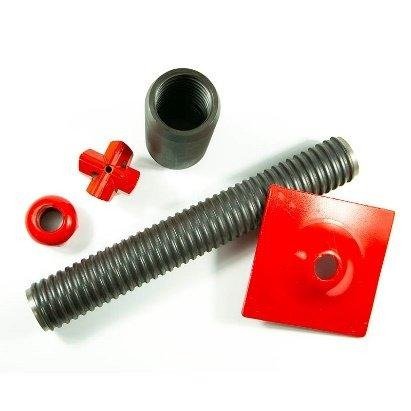
A rock bolt is a steel bar, usually between two and six metres long, installed in a hole drilled into the roof or wall. One end is anchored deep in the rock, either by resin, grout or a mechanical shell, and the other end carries a plate and nut that bears against the rock face. When the nut is tightened, the bolt pulls the plate against the face and puts the bolt into tension.
That tension clamps the layers and blocks together so they act as a single beam, and presses the fractured zone against the solid rock behind it. The result is reinforced ground around the tunnel that can support itself. In many mines and tunnels, rock bolts from a reliable rock bolt manufacturer are the primary support, used with mesh and shotcrete where the ground is broken.
Bolting Patterns and Timing
Bolts from your rock bolt manufacturer are installed in a pattern, usually a grid across the roof and down the walls, with spacing set by the ground conditions. Good ground may need bolts every two metres, while poor ground may need them every metre or closer, with mesh between them to catch small fragments. The pattern is set by the geotechnical engineer and adjusted as the tunnel advances and the ground is seen.
Timing matters as much as spacing. Bolts must be installed soon after the ground is exposed, before it loosens and moves. In tunnelling, bolting follows each advance closely, often within hours. In mining, the bolting cycle is part of the daily routine: drill, blast or cut, then bolt before the next round of work begins. Delays leave the ground unsupported when it is at its most vulnerable.
Rock Bolts in Mining
In mining, rock bolts support roadways, junctions, shafts and longwall faces. Conditions vary widely: a coal mine may have soft roof strata needing long bolts and mesh, while a hard-rock metal mine may have blocky ground needing pattern bolting and cable bolts for wide spans. The bolt system from the rock bolt manufacturer must suit the rock, the span and the life of the opening.
A roadway that will serve for years gets a heavier support design than a temporary heading. Junctions, where two tunnels meet and the span is wide, often need cable bolts from the rock bolt manufacturer, which are longer and more flexible than standard rock bolts, to tie the roof together over a larger area. The rock bolt manufacturer supplies the range of bolts, cables, plates and resins that cover these different needs.
Rock Bolts in Tunnelling
Civil tunnels for roads, railways and water face the same ground problems as mines, but the end goal is a permanent structure. Rock bolts serve as temporary support during excavation, holding the ground until the permanent lining is built. In good rock, bolts and shotcrete may be the only support needed, with a thin lining for durability.
Tunnel boring machines can install bolts as they advance, and drill-and-blast tunnels use jumbos to drill the holes for bolts from the rock bolt manufacturer in each round. The bolting cycle is planned into the excavation sequence, because every hour of delay leaves the ground unsupported. Quality control is strict: bolts are pull-tested to confirm their design load, and the results are recorded as the tunnel advances.
5 Rules for Safe Rock Bolting
- Bolt early: install support as soon as the ground is exposed, before it loosens.
- Match the pattern: spacing and length must suit the ground actually seen, not just the plan.
- Test regularly: pull-test a proportion of bolts to confirm they carry their design load.
- Use mesh where needed: broken ground needs mesh between bolts to catch small fragments.
- Inspect and maintain: check plates, nuts and mesh during routine inspections, and re-tension or replace as needed.
Frequently Asked Questions
How long does a rock bolt last?
A properly installed and grouted bolt from a quality rock bolt manufacturer lasts for the life of the opening, and in permanent tunnels for decades. Corrosion protection, such as galvanising or grout cover, extends that life.
What happens if a rock bolt fails?
A single failed bolt rarely causes a collapse, because the load is shared across the pattern. Regular pull testing and inspection catch problems before they spread.
Can rock bolts be used in very weak ground?
Yes, but the design changes: closer spacing, longer bolts, mesh and shotcrete, and sometimes cable bolts or steel sets. The support system is matched to the ground.
Final Thoughts
Rock bolts turn broken ground into a structure that supports itself, using a simple steel bar, a plate and a nut. In tunnelling and mining, they are the first line of defence against falls of ground, installed quickly after excavation and tested as the work advances. Choose the right bolts from a trusted rock bolt manufacturer, install them on time and check them regularly, and the ground will stay where it belongs.