
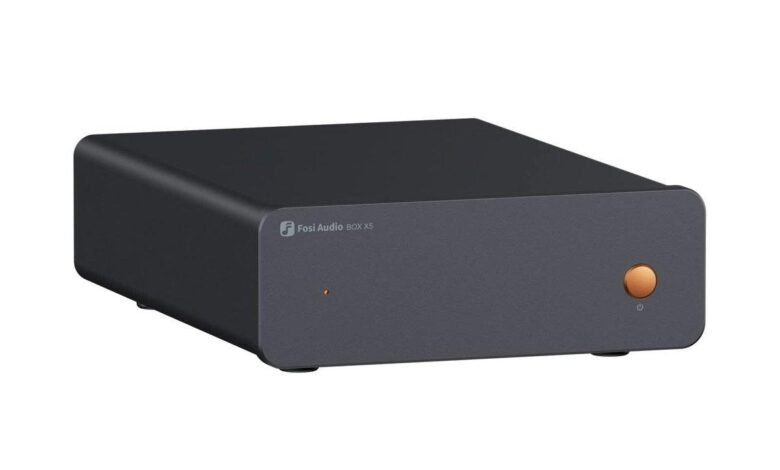
Every vinyl system reaches a point where one component holds the others back, and very often that component is the turntable phono preamp. It may be the built-in stage in your turntable, or an affordable separate unit that has served you well but no longer matches the rest of your system. This guide explains when an upgrade makes sense, what to look for in a better turntable phono preamp, and how to take the next step without wasting money.
When Is It Time to Upgrade?
The clearest sign is that the rest of your system has improved while the turntable phono preamp has stayed the same. If you have fitted a better cartridge, upgraded your turntable or bought more revealing speakers, the turntable phono preamp may now be the weakest link. These are signs that the phono stage is struggling to keep up.
Another sign is a change of cartridge type. Moving from a moving magnet cartridge to a moving coil cartridge demands a turntable phono preamp with higher gain and adjustable loading, and your current unit may not provide them. In that case, the upgrade is not optional; it is necessary for the new cartridge to work properly at all.

What Changes When You Upgrade
Moving from a basic built-in stage to a good separate phono preamp is the biggest single step, and most listeners hear the difference immediately. The background becomes quieter, the bass becomes fuller and more controlled, and fine detail emerges from recordings you thought you knew well. It is a transformation rather than a subtle refinement.
Later upgrades are more gradual. Moving from a good affordable phono preamp to a more expensive one brings improvements in noise, accuracy and tonal refinement, but they are subtler. The music becomes a little more natural, the soundstage a little wider, and the quiet passages a little more silent. These differences are real, but they only show up when the turntable, cartridge and speakers are good enough to reveal them.
Choosing the Next Phono Preamp
When you upgrade, look for the qualities that matter most at the next level. Low noise is still the priority, but the standard is higher: the background should be silent even at high volume, with no trace of hiss or hum. Accurate RIAA equalisation becomes more important too, because a better system will expose any tonal imbalance that a modest system hides.
Adjustable gain and loading become genuinely useful at this stage. They let you fine-tune the turntable phono preamp to your cartridge, extracting the best possible performance. A model that supports both moving magnet and moving coil cartridges gives you the flexibility to change cartridges in the future without buying another phono preamp.
Build quality also steps up. Look for a solid metal case, a clean external power supply, and high-quality components throughout. These details contribute to the quieter background and more refined sound that justify the higher price.
What Not to Upgrade Yet
Before you spend money on a better phono preamp, check that the rest of your system is ready for it. A worn stylus, dirty records or a poorly set-up tonearm will limit the sound far more than any phono preamp can fix. Make sure the basics are right first: clean records, a fresh stylus, a correctly balanced tonearm and a stable, level turntable.
Equally, if your speakers are the weakest part of your system, a better phono preamp will not show its full benefit. The improvement will still be there, but it will be muted. In that case, upgrading the speakers first may give you more for your money, and the turntable phono preamp upgrade can follow.
5 Signs You Are Ready to Upgrade
- Your cartridge has improved: a better cartridge deserves a turntable phono preamp that can keep up.
- You have changed cartridge type: moving to moving coil demands higher gain and adjustable loading.
- The background is noisy: hiss or hum is audible even when the music is quiet.
- The bass lacks definition: low frequencies sound loose or muddy rather than tight and controlled.
- Your system has outgrown the phono stage: the turntable and speakers are better than the turntable phono preamp.
A Sensible Upgrade Path
A sensible path is to upgrade in stages, letting each improvement settle before the next. Start with a good affordable separate phono preamp, and enjoy the improvement it brings. When you next upgrade your cartridge or turntable, consider whether the turntable phono preamp still matches. If it does not, move to a model with lower noise, adjustable loading and support for both cartridge types.
There is no need to rush to the most expensive model. Each step up the range brings a smaller improvement than the last, and the best value is usually found in the middle of the range, where the design is serious but the price is still sensible. Listen carefully at each step, and let your ears decide when the next upgrade is worth it.
Frequently Asked Questions
Will a more expensive phono preamp always sound better?
Not necessarily. It will sound better only if the rest of your system is good enough to reveal the difference. In a modest system, an affordable phono preamp can sound just as good as a costly one.
Should I upgrade the turntable phono preamp or the cartridge first?
In most cases, upgrade the cartridge first, since it has a bigger effect on the sound. Then choose a turntable phono preamp that matches the new cartridge and the improved system.
How long should a phono preamp last?
A well-built phono preamp can last for many years. There are no moving parts to wear out, and a good design will stay relevant through several cartridge and turntable upgrades.
See also: How remote monitoring actually shapes employee productivity in 2026
Final Thoughts
Upgrading your turntable phono preamp is one of the most rewarding steps in building a vinyl system, provided the timing is right. Wait until the rest of your system justifies it, then choose a model with lower noise, accurate equalisation and the flexibility to grow with you. Upgrade in stages, listen carefully at each step, and you will build a system where every component earns its place, and every record sounds its best.