
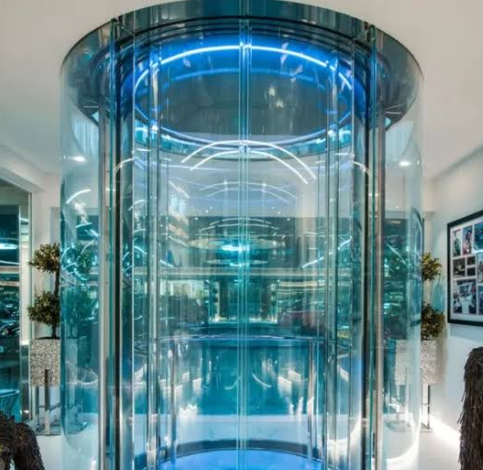
An observation elevator is more than just a way to move between floors. With its glass walls and open views, it turns a simple ride into a memorable moment.
If you are designing a hotel, mall, museum, or high-rise building, an observation elevator can boost both the look and the value of your space. This guide covers the types, design choices, benefits, and cost factors you need to know before installing one.
Table of Contents
- What Is an Observation Elevator?
- Types of Observation Elevators
- Key Design Considerations
- Benefits of Installing an Observation Elevator
- Where Observation Elevators Are Commonly Used
- How Much Does an Observation Elevator Cost?
- Safety and Building Code Requirements
- Tips for Choosing the Right Design
What Is an Observation Elevator?
An observation elevator is a passenger elevator built with large glass panels, letting riders see the surrounding space or outside view during the trip. It is often called a panoramic elevator or sightseeing elevator.


Instead of hiding the ride behind solid walls, this elevator design turns the vertical trip into a visual experience, often becoming a landmark feature of the building itself.
Types of Observation Elevators
| Type | Description |
| External observation elevator | Glass on all sides, mounted outside the building for full outdoor views |
| Interior observation elevator | Glass on one or more sides, showing the building’s inside atrium or lobby |
| Rotating observation elevator | Slowly rotates during travel to give a full panoramic view |
| Curved glass elevator | Uses a curved glass arch for a wide, sweeping view |
Each type suits a different building style. External elevators work well on hotels and towers with scenic surroundings, while interior models are popular in malls and atriums where the view is the building itself.
Key Design Considerations
- Glass type: Tempered or laminated safety glass is required to protect passengers without blocking the view.
- Cab shape: Round, square, or semicircular cabs each create a different visual effect and fit different building layouts.
- Lighting: Interior lighting needs to balance visibility with comfort, especially for night-time rides.
- Structural support: Glass elevators often need extra structural reinforcement compared to standard enclosed elevators.
- Placement: Corner installations maximize the view, while wall-mounted designs suit narrower spaces.
Benefits of Installing an Observation Elevator
- Creates a striking visual centerpiece that adds architectural value to a building.
- Increases visitor dwell time in malls, hotels, and museums, which can boost nearby retail and dining revenue.
- Improves natural light flow through multi-level spaces, making interiors feel larger and brighter.
- Adds a memorable experience for guests, which can support brand identity for hospitality businesses.
- Can serve dual purposes, handling both passengers and light freight in commercial settings.
Where Observation Elevators Are Commonly Used
- Hotels and resorts, where scenic rides enhance the guest experience.
- Shopping malls, where interior glass elevators showcase multiple retail floors at once.
- Museums and galleries, adding to the overall visitor experience.
- High-rise office towers and observation decks, often as a signature architectural feature.
- Airports and transit hubs, where glass elevators help with wayfinding and open sightlines.
How Much Does an Observation Elevator Cost?
| Elevator Type | Typical Price Range |
| Standard interior glass elevator | $50,000 – $120,000 |
| External glass elevator | $100,000 – $250,000 |
| High-speed panoramic elevator (high-rise) | $250,000 – $600,000+ |
Costs vary based on building height, glass type, structural reinforcement needs, and custom finishes like lighting or rotating mechanisms.
Safety and Building Code Requirements
Observation elevators must meet the same safety codes as standard elevators, plus additional requirements for glass strength and structural support.
- Tempered or laminated glass is mandatory to prevent shattering hazards.
- Local building codes often require specific load ratings for glass panels.
- Regular inspections should include glass integrity checks, not just mechanical parts.
- Weather exposure for external elevators requires extra sealing and drainage design.
Tips for Choosing the Right Design
- Match the elevator style to your building’s architecture, rather than choosing a design that clashes visually.
- Consider maintenance access early, since glass panels need regular cleaning to stay attractive.
- Think about energy costs, since glass structures can affect building temperature control.
- Work with an experienced elevator company that has handled observation elevator projects before.
Frequently Asked Questions
What is the difference between an observation elevator and a regular elevator?
An observation elevator has glass walls that let passengers see outside or into the building during the ride, while a regular elevator uses solid, enclosed walls.
Are observation elevators safe?
Yes, they use tempered or laminated safety glass and must meet the same building codes as standard elevators, with added requirements for glass strength.
How much does an observation elevator cost?
Prices typically range from about $50,000 for a standard interior glass elevator to over $600,000 for a high-speed panoramic elevator in a high-rise building.
Where are observation elevators most commonly installed?
They are popular in hotels, shopping malls, museums, high-rise towers, and airports, where the scenic ride adds value to the visitor experience.
Do observation elevators need special maintenance?
Yes, in addition to standard mechanical maintenance, glass panels need regular cleaning and inspection to maintain both safety and appearance.
See also: Media & Content Check – Photoscompamhante, Djkvfhn, Doszinnotid, Nullimboy, Unblockked Games
Conclusion
An observation elevator combines everyday function with real architectural impact. Whether you choose an external glass model for scenic views or an interior design that shows off your building’s atrium, the right choice depends on your space, budget, and safety requirements.
Take time to plan the design, structural needs, and maintenance access before installation. A well-designed observation elevator can become one of the most memorable features of your entire building.