
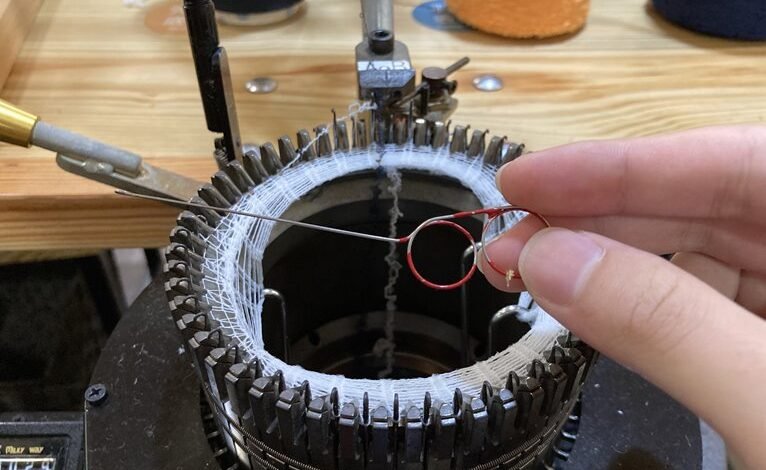
The Complete Stierling Machines Guide offers a concise overview of precision instruments designed for controlled, repeatable operations. It identifies core features that affect reliability and speed, such as tolerance control, timing, and drive robustness. The discussion compares model specifications and workflow fit, while assessing total cost of ownership. Practical guidance on selection, optimization, and maintenance is provided in a disciplined framework. The piece ends with a practical prompt to explore further considerations and integration implications.
What Are Stierling Machines and Why They Matter?
Stierling machines are precision instruments designed to perform controlled, repeatable operations with high reliability.
The discussion outlines why they matter, presenting a structured view of core features, reliability and speed, comparing models, and workflow fit.


It also covers selecting and optimizing, practical tips, and how stierling machines integrate into professional practice, with clear criteria for practical evaluation and decision making.
Core Features That Drive Reliability and Speed
In moving from general relevance to practical performance, this section identifies the core features that underpin reliability and speed in Stierling machines.
The discussion centers on reliability metrics, material tolerance, and control integrity, paired with optimized timing and drive systems.
Emphasis on speed optimization and fault resistance supports predictable cycles, minimal downtime, and sustained throughput with balanced performance.
Comparing Stierling Models: Which Fits Your Workflow
When selecting a Stierling system, the key question is how model specifications align with specific workflow demands, including cycle time, tolerance, and automation level. Stierling models offer distinct workflow fit profiles, guiding decisions on throughput versus precision.
Reliability benefits accompany calibrated speed drivers, enabling predictable maintenance.
Evaluation emphasizes compatibility, scalability, and total cost of ownership to optimize long-term productivity.
Practical Tips for Selecting and Optimizing Your Stierling Setup
Practical selection and optimization of a Stierling setup require a disciplined approach to matching specifications with real workflow demands. The process emphasizes objective evaluation of throughput, accuracy, and resilience, avoiding overcommitment to unproven features.
Key steps include precision tuning to align tolerances with tasks and establishing a maintenance cadence that minimizes downtime while sustaining consistent output and predictable performance across applications.
Frequently Asked Questions
How Do Stierling Machines Handle Maintenance Scheduling?
Stierling machines implement maintenance scheduling through proactive intervals, condition monitoring, and automated alerts. This approach emphasizes failure prevention, optimizing uptime while allowing operators freedom in workload planning and resource allocation within predefined reliability targets.
What Are Common Failure Modes and Quick Fixes?
Failure modes include bearing wear, sensor drift, and spindle misalignment; quick fixes involve lubrication, re-tensioning, and calibration. Maintenance scheduling supports timely intervention; warranty coverage may limit repairs. System integration considerations ensure compatibility, while freedom-seeking operators assess reliability independently.
Are There Hidden Costs in Long-Term Ownership?
Yes, there are potential hidden costs in long-term ownership. Hidden fees may arise from maintenance intervals, part replacements, and software updates; service contracts can mitigate unpredictability but add ongoing obligations and recurring charges.
How Does Customization Affect Warranty Coverage?
A hypothetical case shows customization implications: altering a Stierlingmaschine can void specific warranty components, while broad warranty coverage remains intact for factory configurations. Warranty nuances depend on scope of modifications, documentation, and adherence to approved customization guidelines.
Can Stierling Models Integrate With Existing Systems?
Yes, Stierling models support system integration, subject to integration compatibility and host-system specifications. Potential concerns include data mapping, latency, and API reliability; planners should assess integration pitfalls, provides clear interfaces, and document change management for flexible operations.
Conclusion
In the workshop, a metronome sits beside a tireless loom. The metronome, precise and unyielding, marks time; the loom, steady and forgiving, translates timing into form. Together they teach predictability: materials align with tolerances, drives synchronize with cadence, and workflow unfolds without drama. For engineers, the Stierling system is a governing clock and fabricator’s loom—two faithful guardians ensuring throughput, repeatability, and scalable performance across projects, where disciplined evaluation turns raw potential into reliable results.