
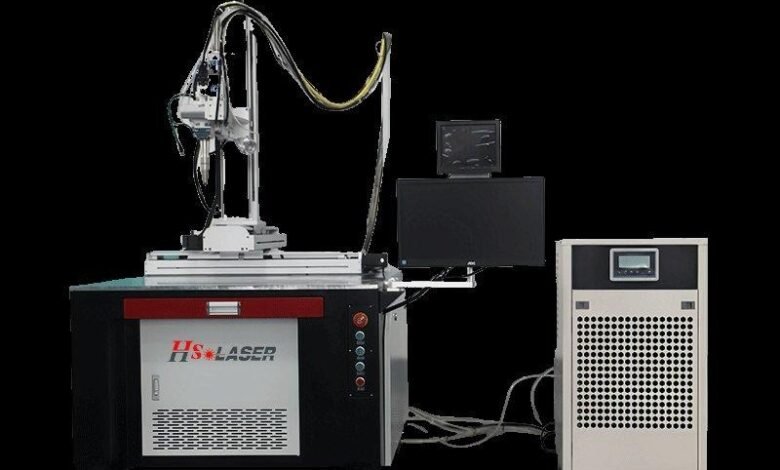
Pillow plates are one of those products that most people never see, yet they quietly do important work in factories around the world. They heat, cool and control temperature in food processing, chemical production and energy systems, and they are made with a pillow plate laser welding machine. This article looks at how different industries use pillow plates, and why laser welding has become the standard way to make them.
Food and Beverage Processing
In food processing, temperature control is everything. Milk must be pasteurised, chocolate must be tempered, and sauces must be cooled quickly to stay safe. Pillow plates are used as heating and cooling surfaces in tanks, vessels and processing lines, where their smooth stainless steel surface meets hygiene standards and their efficient heat transfer keeps production moving.
A pillow plate laser welding machine is well suited to this work because the plates it produces are smooth, clean and free from the crevices where bacteria could hide. The consistent welds hold up to repeated cleaning and sterilisation, and the stainless steel surface resists corrosion from food acids and cleaning chemicals. For food manufacturers, that combination of hygiene and durability is essential.
Chemical Processing
Chemical plants use pillow plates to heat and cool reactors, storage tanks and process vessels. The fluids involved can be corrosive, and the temperatures can be extreme, so the plates must be made from suitable alloys and welded to a high standard. Laser welding produces the consistent, high-integrity welds that these applications demand.
The flexibility of the welding pattern also matters in chemical work. Different processes need different channel layouts, and a pillow plate laser welding machine can be programmed to produce the exact pattern each application requires. That customisation lets engineers design heat transfer surfaces for specific reactions and processes.
Energy and HVAC Systems
In energy systems, pillow plates are used in heat recovery, solar thermal installations and industrial cooling. Their efficient heat transfer helps recover waste heat that would otherwise be lost, improving the overall efficiency of the plant. In heating and cooling systems for buildings, pillow plates provide compact heat exchangers that fit where traditional equipment cannot.
The durability of laser-welded plates is an advantage here too. Energy and HVAC systems run for years with minimal maintenance, and the plates must withstand pressure cycling and temperature changes without developing leaks. Consistent laser welds give that long-term reliability.
Pharmaceutical and Biotechnology
Pharmaceutical manufacturing has some of the strictest hygiene requirements of any industry. Pillow plates are used in fermentation tanks, storage vessels and temperature-controlled processing equipment, where the surface must be easy to clean and completely free of contamination risks. The smooth, crevice-free surface produced by laser welding meets those standards.
Traceability and documentation are also important in this field. Manufacturers of pillow plates for pharmaceutical use must be able to show that their welding process is controlled and repeatable, and the computer-controlled nature of a pillow plate laser welding machine makes that documentation straightforward.
5 Industries That Rely on Pillow Plates
- Food and beverage: pasteurisation, tempering and cooling in hygienic stainless steel.
- Chemical: heating and cooling reactors and tanks with corrosive fluids.
- Energy: heat recovery and solar thermal systems that run for years.
- Pharmaceutical: fermentation and storage vessels with strict hygiene standards.
- HVAC: compact heat exchangers for heating and cooling buildings.
Why Laser Welding Fits All These Uses
Different industries, same requirements: consistent welds, smooth surfaces, reliable pressure resistance and the ability to customise the pattern. A pillow plate laser welding machine delivers all of these, which is why it has become the standard equipment for pillow plate production across so many fields.
The machine also adapts to different materials. Stainless steel is the most common, but chemical and pharmaceutical applications sometimes need other alloys, and the laser settings can be adjusted to suit each one. That adaptability means one machine can serve customers in several industries.
Choosing a Pillow Plate Laser Welding Machine for Your Industry
Different industries need different things from a pillow plate laser welding machine. A food manufacturer needs hygienic, easily cleaned plates, while a chemical plant needs plates that resist corrosive fluids and high temperatures. The machine must be able to weld the right materials at the right thickness, and to follow the patterns each application requires. Before buying, it helps to discuss your specific products with the supplier and to have sample plates welded and tested. A pillow plate laser welding machine matched to your industry in this way will produce plates that perform reliably for years, in exactly the conditions where they will work.
See also: Upgrading Your Turntable Phono Preamp: When and How to Take the Next Step
Frequently Asked Questions
Are pillow plates only used in large industrial plants?
No. They are used in equipment of many sizes, from small food processing vessels to large chemical reactors, and the plates are made to order for each application.
How long do laser-welded pillow plates last?
With correct materials and proper use, they last for many years. The consistent welds resist pressure cycling and corrosion, and the plates need little maintenance beyond normal cleaning.
Can pillow plates be repaired if damaged?
Small damage can sometimes be repaired, but the plates are usually replaced, since a repair must meet the same pressure and hygiene standards as the original. Prevention through good manufacturing is the better approach.
Final Thoughts
A pillow plate laser welding machine serves industries as different as food, chemicals, energy and pharmaceuticals because the product it makes is so widely useful. Pillow plates heat, cool and control temperature efficiently, hygienically and reliably, and laser welding is the method that produces them to the standard these industries require. Wherever precise temperature control matters, pillow plates, and the machines that weld them, are working behind the scenes.