
Understanding the Growing Demand for LED Strip Lighting
Lighting can change the character of a room before a single piece of furniture is moved. A warm glow can make a restaurant feel welcoming, while carefully controlled colour can turn a retail display into a memorable feature. LED strip lighting supports these effects because it combines a slim profile with flexible installation and a wide range of brightness and colour options. Selecting the right strip, however, involves more than choosing a colour. Power requirements, light quality, installation conditions, and purchasing quantities all influence the result in varied settings today.
How LED Strip Lights Work and Where They Are Used
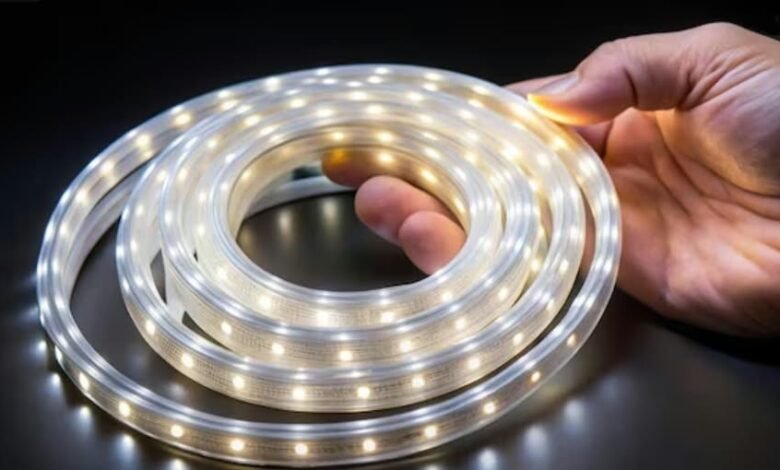
LED strips contain small light-emitting diodes mounted along a narrow flexible or rigid circuit board. They can be installed beneath cabinets, along ceilings, inside display cases, around architectural details, or within signage. Their compact shape allows lighting to reach places where conventional fixtures may be difficult to fit. Many products also support dimming or colour adjustment, giving designers control over atmosphere and practical illumination. Because strips are available in different densities, outputs, and protection ratings, the intended application should guide product selection from the beginning across many different project types.
Colour Temperature and Colour Rendering Performance
Colour temperature is one of the first specifications to consider. Warm white generally creates a relaxed atmosphere, while neutral and cool white options can support task-focused spaces. Colour rendering is equally important in settings where merchandise, food, artwork, or finishes must appear natural. A specification such as 5050 RGBW LED Strip CRI: WW-80/90 combines colour-changing capability with a stated warm-white colour-rendering detail, making it relevant to projects that require both decorative effects and usable white light. Buyers should always confirm the complete technical datasheet before ordering for confident product selection.


Brightness, LED Density, and Installation Requirements
Brightness should be assessed through the strip’s light output, diode spacing, and installation distance rather than appearance alone. A higher diode density can create a smoother line of light, particularly when the strip is placed in an exposed channel or shallow diffuser. Aluminium profiles can help manage heat and provide a clean finish, while suitable diffusers soften individual points of light. For long runs, voltage drop may cause brightness to vary toward the far end, so feed points, wiring size, and power supply capacity deserve careful planning before work begins.
Durability and Protection for Different Environments
Durability depends on the environment in which the lighting will operate. Indoor decorative installations may need only a basic protective coating, whereas kitchens, bathrooms, outdoor signs, and landscape features can require stronger resistance to moisture or dust. IP ratings help describe this protection, but the rating must match the actual exposure conditions. Installation surfaces should be clean, dry, and suitable for the adhesive backing. In demanding locations, clips or mounting channels can provide additional support and reduce the chance of a strip loosening over time under typical long-term operating conditions.
Benefits of Buying LED Strip Lights in Larger Quantities
For contractors, retailers, and lighting distributors, purchasing quantities can affect both project cost and supply consistency. Comparing LED strip wholesale options involves checking more than the unit price; specifications, reel length, packaging, warranty terms, and production consistency also matter. A carefully planned LED strip bulk order can simplify procurement for a multi-room installation or a series of similar projects. Before confirming quantities, buyers should calculate the required length, allow for cutting and connection points, and keep a small reserve for replacements or future maintenance to reduce avoidable procurement delays.
Selecting a Reliable LED Strip Lighting Supplier
Reliable sourcing also depends on clear communication between the buyer and supplier. Technical details should identify voltage, wattage per metre, colour temperature, colour-rendering performance, LED type, cut intervals, and protection rating. If a project uses controllers, dimmers, or smart-home systems, compatibility should be checked before purchase. Requesting samples can help assess colour consistency and brightness in the intended setting. Businesses comparing LED strip wholesale suppliers should also review lead times and after-sales support, since delayed or mismatched materials can disrupt installation schedules and increase labour costs before final purchase approval.
See also: How Physiotherapy Can Improve Quality of Life for Barrie Residents with Chronic Pain
Planning Bulk Purchases for Long-Term Requirements
Planning quantities accurately helps avoid unnecessary waste while keeping projects supplied with matching materials. A second LED strip bulk order may be needed when a development expands, so retaining product codes and technical records can make repeat purchasing easier. Storage conditions matter too: reels should remain protected from moisture, dust, and excessive heat until installation. When products are handled and installed according to supplier guidance, they are more likely to deliver stable performance. Proper planning therefore connects product selection, procurement, installation quality, and long-term maintenance into one practical process consistently.
Conclusion
LED strip lighting offers flexibility, efficient illumination, and creative possibilities for residential, commercial, and architectural applications. However, achieving satisfactory results requires attention to technical specifications, installation methods, durability, and purchasing decisions. Businesses exploring dependable lighting solutions can consider dekingled.com, which provides a reference point for exploring LED strip lighting products and related options. Careful product comparisons and accurate project planning help buyers select suitable lighting for their requirements. Whether the purpose involves decorative interiors, retail displays, or larger installations, informed purchasing decisions contribute to consistent lighting performance and practical long-term value.